
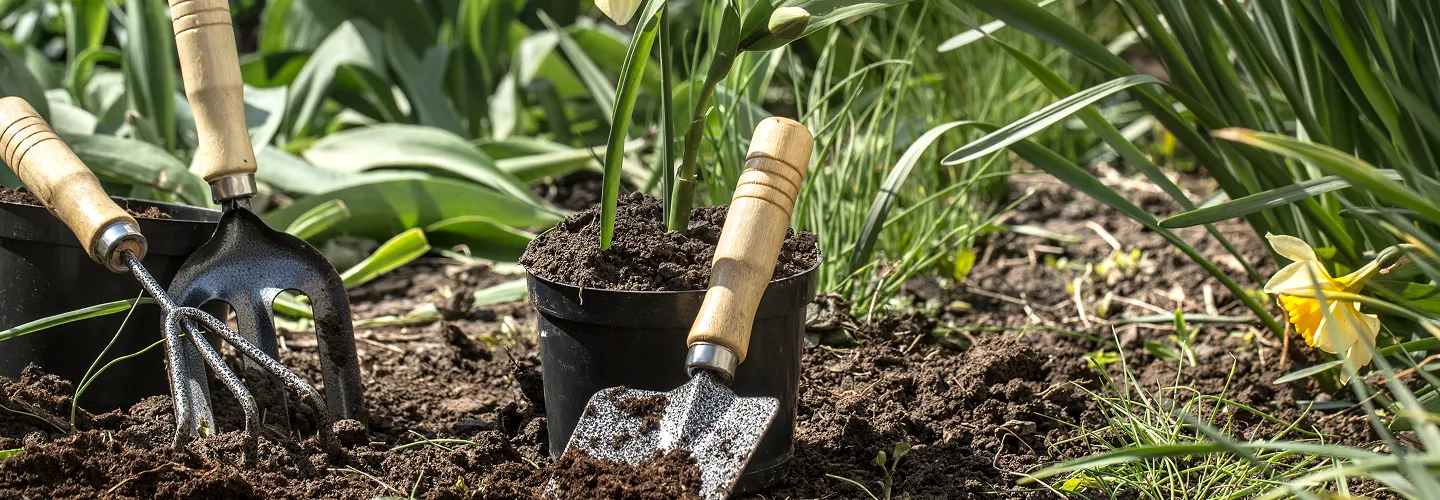
Woodridge Dethatching Lawn Services
Choose our dethatching lawn services for a healthier, greener yard—our experienced team removes built-up thatch to improve soil health, boost grass growth, and enhance your lawn’s overall appearance.
Get a Free QuoteOur Woodridge Landscaping & Yard Care Services
When to Schedule Dethatching Lawn in Woodridge, IL – Seasonal Guide
In Woodridge, IL, the best time to schedule lawn dethatching is typically in early spring or early fall, when grass is actively growing and can recover quickly. The local climate, with its cold winters and humid summers, means that dethatching too early or late in the season can stress your lawn. For neighborhoods near Greene Valley Forest Preserve or along 75th Street, where mature trees provide ample shade, timing is especially important to avoid periods of high moisture or frost.
Local factors such as the average last frost date in April and the risk of summer droughts should guide your dethatching schedule. Heavy clay soils common in subdivisions like Seven Bridges can retain moisture, increasing thatch buildup, while areas with sandy soils may require less frequent attention. Always check for any municipal restrictions or seasonal guidelines by visiting the Village of Woodridge Official Website before scheduling service.
Local Factors to Consider for Dethatching Lawn in Woodridge
- Tree density and shade coverage (e.g., mature oaks in Winston Hills)
- Soil type (clay vs. sandy soils)
- Recent precipitation and drainage patterns
- Frost dates and risk of late spring or early fall cold snaps
- Municipal restrictions or community association guidelines
- Terrain and slope, especially in areas near parks or water features
Benefits of Dethatching Lawn in Woodridge
Improved Lawn Health
Enhanced Grass Growth
Increased Water Absorption
Reduced Pest and Disease Risk
Boosted Curb Appeal
Professional Landscaping Expertise
Woodridge Dethatching Lawn Types

Cool-Season Grasses
-
Warm-Season Grasses
-
Fescue Lawns
-
Kentucky Bluegrass Lawns
-
Zoysia Grass Lawns
-
Bermuda Grass Lawns
-
Ryegrass Lawns
Our Dethatching Lawn Process
Lawn Evaluation
Thatch Depth Measurement
Dethatching Equipment Setup
Thatch Removal
Cleanup and Disposal
Why Choose Woodridge Landscape Services
-
Woodridge Homeowners Trust Us
-
Expert Lawn Maintenance
-
Reliable Seasonal Cleanup
-
Competitive Pricing
-
Professional Team
-
Satisfaction Guarantee
-
Personalized Service
Contact Woodridge’s Department of Public Works for Dethatched Material Disposal & Yard Waste Collection
Proper disposal of dethatched lawn material is essential for maintaining compliance with Woodridge’s municipal waste management programs and supporting local sustainability goals. The Village of Woodridge operates a comprehensive yard waste collection program, typically running from April through November, which accepts dethatched thatch, grass clippings, and leaves. Residents must use biodegradable paper yard waste bags—plastic bags are strictly prohibited—or rigid containers (usually up to 32 gallons) clearly marked for yard waste. Commercial contractors may be subject to additional fee structures and must adhere to bundling or bagging requirements. For larger volumes, the village provides a yard waste drop-off site with specific operating hours, and residents may need a permit or sticker for access. Always separate dethatched material from other yard waste if required by local guidelines. For up-to-date collection schedules, accepted materials, and drop-off procedures, contact:
Woodridge Department of Public Works
5 Plaza Drive, Woodridge, IL 60517
Phone: (630) 719-4753
Official Website: Woodridge Public Works Department
Understanding Thatch Buildup in Woodridge’s Heavy Clay Soils
Woodridge’s lawns are predominantly established on Drummer silty clay loam and similar heavy clay soil series, as identified by the USDA Web Soil Survey. These soils are poorly to somewhat poorly drained, with a high water table in spring (often 12-24 inches from the surface), and exhibit alkaline pH levels (7.0-8.5). Such conditions create anaerobic environments that slow microbial activity and organic matter decomposition, leading to persistent thatch accumulation. Illinois’ humid summers promote rapid Kentucky bluegrass growth, while spring waterlogging and freeze-thaw cycles further hinder thatch breakdown. A healthy thatch layer should not exceed 0.5 inches; beyond this, problems compound: poor drainage is exacerbated, air movement to roots is restricted, and fungal diseases (like summer patch) become more prevalent. Key indicators that dethatching is needed include:
- Matted, spongy grass surface
- Water ponding after light rain
- Thinning turf despite fertilization
- Moss growth in shaded areas
- Increased disease pressure
- Poor drought performance
Woodridge Environmental Commission Requirements for Dethatching Near Wetlands & Protected Areas
Dethatching near Woodridge’s wetlands, streams, and conservation lands requires careful coordination with the Environmental Commission or Sustainability Board. Properties within 10-25 feet of protected areas—such as those adjacent to DuPage County Forest Preserve District or Cook County Forest Preserve District lands—may need permits and must follow buffer zone regulations. Erosion control is especially critical on heavy clay soils, which are highly susceptible to sediment runoff when bare. During the spring dethatching window (April-May), be aware of wildlife breeding seasons; visual surveys for nesting birds are recommended, and work may be seasonally restricted to protect ground-nesting species. For guidance on permit requirements, environmental compliance, and best practices for sensitive sites, contact:
Woodridge Environmental Commission
5 Plaza Drive, Woodridge, IL 60517
Phone: (630) 719-4706
Official Website: Woodridge Appointed Boards and Commissions
Woodridge’s Implementation of Illinois Organic Waste Regulations for Dethatched Material
Woodridge enforces state and local organic waste management regulations in accordance with the Illinois Environmental Protection Act (415 ILCS 5), which prohibits disposal of yard waste—including dethatched material—in household trash. The village’s yard waste collection program requires use of biodegradable paper bags or rigid containers, with plastic bags strictly forbidden. On-site composting is encouraged, provided it meets setback requirements (typically 5-10 feet from property lines) and follows best practices: mix dethatched thatch with brown materials like leaves, maintain proper moisture and aeration, and avoid overloading piles to prevent anaerobic conditions. These efforts support Woodridge’s waste reduction and sustainability initiatives. For composting guidelines, collection schedules, and local compliance resources, contact:
Woodridge Community Development Department
5 Plaza Drive, Woodridge, IL 60517
Phone: (630) 719-4750
Official Website: Woodridge Community Development Department
Post-Dethatching Stormwater Management in Compliance with Woodridge’s MS4 Program
After dethatching, exposed clay soils in Woodridge are highly vulnerable to erosion and sediment runoff, which can impact the Lake Michigan watershed. The village operates under an MS4 (Municipal Separate Storm Sewer System) permit, requiring strict stormwater management practices. Immediate overseeding within 24-48 hours is recommended to stabilize soil, especially on slopes exceeding 10-15%, where temporary erosion control blankets may be necessary. Protect storm drains from sediment using barriers or silt socks. Never dethatch when soils are saturated, as this increases rutting and compaction risk; always check National Weather Service Chicago forecasts and avoid work if heavy rain is expected within 24-48 hours. For further information on stormwater compliance and erosion control, consult:
Illinois Environmental Protection Agency
1021 North Grand Avenue East, Springfield, IL 62702
Phone: (217) 782-3397
Official Website: Illinois EPA Water Quality & Watershed Management
What Neighborhoods Do We Serve Throughout Woodridge, IL?
Woodridge encompasses a variety of neighborhoods, each with unique thatch management challenges due to differences in soil, development age, and landscape features:
- Historic Woodridge Estates: Mature tree canopy, Drummer silty clay loam, poor drainage, decades of thatch accumulation, high compaction from age
- Seven Bridges Area: Newer developments, less tree cover, full sun, rapid Kentucky bluegrass growth, moderate compaction from recent construction
- International Center: Commercial and HOA-managed lawns, variable maintenance intensity, irrigation promoting rapid growth and thatch
- Forest Preserve Edge (near Greene Valley Forest Preserve): Proximity to wetlands, buffer zone regulations, seasonal flooding, increased environmental oversight
- Winston Hills: Post-WWII suburb, compacted clay soils, older lawns with significant thatch, mixed grass species
- Hobson Village: Moderate tree cover, perennial ryegrass and tall fescue mixes, better drought tolerance, less thatch-prone but still affected by clay soils
- Park District Common Areas: Managed by the village or park district, varying standards, high traffic, compaction, and maintenance frequency
Each area’s dethatching needs are influenced by soil drainage, grass species, tree density, irrigation, and proximity to protected lands. For park and common area management, contact:
Woodridge Parks and Facilities
2600 Center Drive, Woodridge, IL 60517
Phone: (630) 353-3300
Official Website: Woodridge Parks and Facilities
Woodridge Municipal Ordinances for Landscaping Operations & Equipment Use
Landscaping operations in Woodridge are governed by municipal ordinances designed to minimize noise, ensure safety, and protect public health. Power dethatchers and similar equipment may only be operated during designated hours—typically 7 AM to 9 PM on weekdays, 8 AM to 9 PM on Saturdays, with possible restrictions on Sundays. Noise ordinances apply to all powered equipment, and commercial service providers must be properly licensed and registered with the village. Insurance requirements include liability and workers’ compensation coverage, and bonding may be required for municipal contracts. For full details on landscaping regulations, business licensing, and equipment operation standards, contact:
Woodridge Code Enforcement
5 Plaza Drive, Woodridge, IL 60517
Phone: (630) 719-4750
Official Website: Woodridge Code Enforcement
For additional technical guidance on dethatching, soil management, and turf health in Illinois, consult:
University of Illinois Extension
801 N. Country Fair Drive, Champaign, IL 61821
Phone: (217) 333-5900
Official Website: University of Illinois Extension
For federal and regional environmental compliance:
U.S. Environmental Protection Agency, Region 5
77 West Jackson Boulevard, Chicago, IL 60604
Phone: (312) 353-2000
Official Website: U.S. EPA Region 5
By following these guidelines and utilizing local government resources, Woodridge residents can effectively manage thatch in challenging heavy clay soils, protect local water quality, and maintain compliance with all relevant environmental and municipal regulations.